




You exercise regularly, but lately your usual workout feels harder. Maybe you wake up tired, lose energy halfway through a run, or need extra time to recover. Can sleep apnea affect exercise and recovery? It may. Breathing interruptions during sleep can contribute to fatigue, although other conditions can cause similar symptoms.
At StarImage TMJ & Sleep Center, we help eligible patients explore sleep apnea treatment in Southlake after an appropriate medical diagnosis. Dr. James Green provides our dental sleep apnea care.
Why You May Feel Exhausted Despite Exercising
Exercise supports health, but it cannot make up for every kind of disrupted sleep. If you wake up unrefreshed, a familiar workout may feel unusually demanding.
Fatigue can also come from insufficient sleep, a tough training schedule, medications, or other medical conditions. One tiring workout does not point to sleep apnea. A pattern of exhaustion alongside loud snoring or nighttime gasping is worth discussing with a healthcare provider.
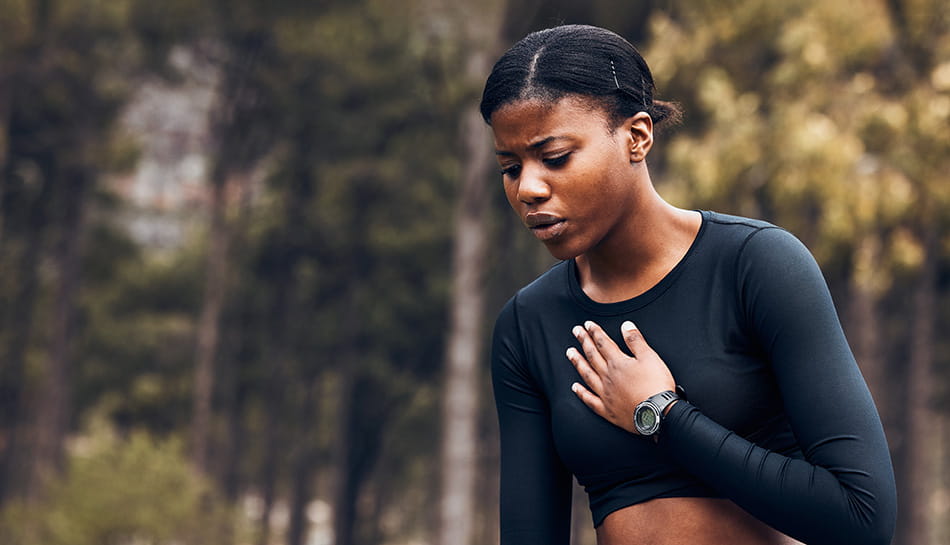
How Sleep Apnea Interrupts Restorative Sleep
Obstructive sleep apnea occurs when the upper airway repeatedly narrows or closes during sleep. Breathing may stop briefly or become shallow. The brain responds with brief awakenings that help breathing resume, often without you remembering them.
These interruptions can disturb the sleep your body needs for normal daytime function. Breathing changes may also lower oxygen levels overnight. That is why spending enough hours in bed does not always mean waking up refreshed.
Ways Poor Sleep May Affect Physical Performance
Sleep plays a role in alertness, concentration, and recovery from everyday activity. When sleep apnea disrupts rest, you may notice changes during or after exercise.
Possible signs include:
- Feeling tired earlier during a familiar run or bike ride.
- Finding it harder to focus during tennis or gym training.
- Needing more rest than usual after regular activity.
- Losing motivation to stay active because of daytime sleepiness.
These experiences do not prove you have sleep apnea. Fitness, training, nutrition, and other health concerns also affect performance. Treating sleep apnea cannot guarantee faster workouts or improved athletic results.
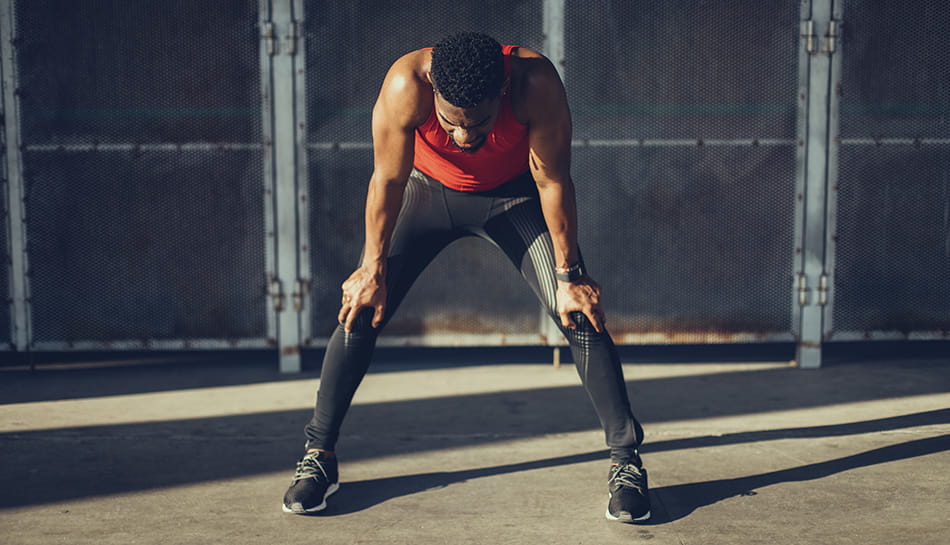
Can Fit and Active People Have Sleep Apnea?
Yes. You can exercise regularly and still develop obstructive sleep apnea. Body weight can affect risk, but airway anatomy, age, and other health factors also matter.
Some active adults assume exhaustion comes from a busy schedule. Others never notice their breathing interruptions because the events occur while they sleep. Being physically fit does not rule out a sleep-related breathing problem.
Signs Your Fatigue May Be More Than Overtraining
Poor recovery alone does not confirm a sleep disorder. Look for patterns that suggest your sleep or breathing deserves medical attention.
Symptoms worth discussing include:
- Loud, frequent snoring.
- Gasping or choking during sleep.
- Morning headaches or dry mouth.
- Daytime sleepiness despite enough time in bed.
- Trouble concentrating at work or during exercise.
- Unusual fatigue after activities you normally handle well.
Other conditions can cause these symptoms too. Tell your healthcare provider when they began and whether someone has noticed breathing changes overnight.
CPAP and Oral Appliance Treatment Options
For patients diagnosed with obstructive sleep apnea, CPAP uses steady air pressure to help keep the airway open during sleep. It can work well, although some people have trouble using it consistently.
A custom oral appliance may be an option for suitable adults, including some who cannot tolerate CPAP or prefer an alternative. It supports the lower jaw in a position intended to help keep the airway open. At StarImage, we evaluate the suitability of an oral appliance following an appropriate medical diagnosis. Our guide to CPAP and oral appliance therapy explains the differences. Medical follow-up helps assess treatment effectiveness.
When to Seek a Sleep Apnea Evaluation in Southlake
Talk with a medical provider if fatigue persists despite adequate sleep, particularly if you also snore loudly, gasp at night, or struggle to stay awake during the day. Other causes of persistent fatigue may need attention.
If you already have a diagnosis of sleep apnea, we can discuss whether oral appliance therapy fits your treatment plan. Do not stop prescribed CPAP without speaking with your treating clinician.
Frequently Asked Questions About Sleep Apnea and Exercise
Active adults often wonder why their energy does not match the effort they put into training. These answers can help you prepare questions for your healthcare provider.
Discuss Sleep Apnea Treatment Options in Southlake
Feeling exhausted despite regular exercise deserves attention, especially when you also snore or wake up unrefreshed. At StarImage TMJ & Sleep Center, we can help patients with a confirmed diagnosis explore whether oral appliance therapy is appropriate.
Call StarImage TMJ & Sleep Center at (817) 587-4566 or request a sleep apnea consultation to discuss treatment options with Dr. James Green in Southlake.